Tiffany Watt Smith
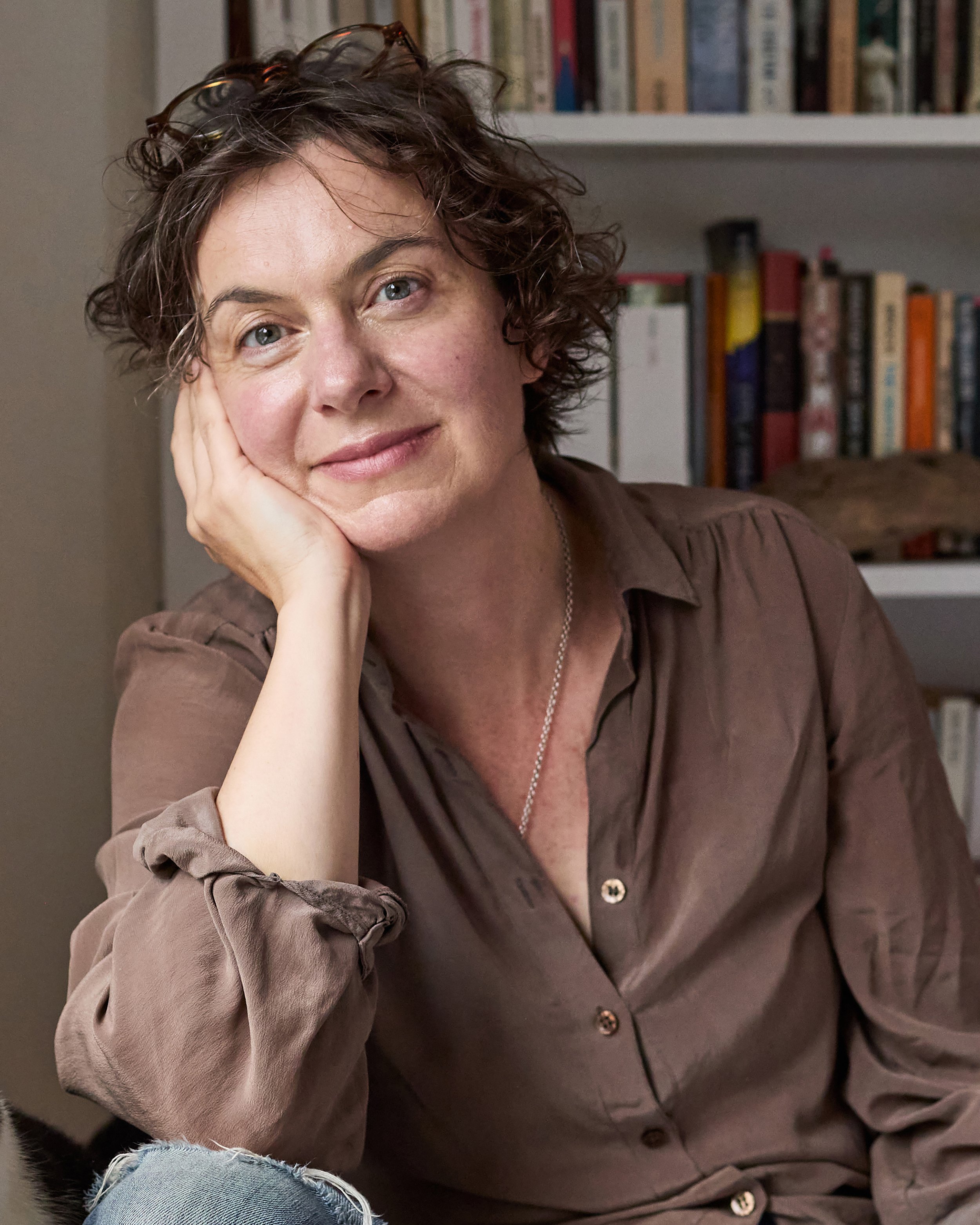
Photo: Sarah Noons
I am the author of three nonfiction books, Bad Friend: On Joyous, Imperfect Love (2025, Faber UK, and Celadon/Macmillan US), Schadenfreude (2018, Profile UK, and Little, Brown US) and The Book of Human Emotions (2015, Profile UK, Little, Brown US). My books have been translated into twelve languages, and reviewed and featured in publications including the Guardian, Libération, The New Yorker, Italian Vogue, and Der Spiegel.
I am a BBC-AHRC New Generation Thinker, a TED speaker and regular contributor on BBC Radio 4, and my writing has appeared in the Guardian, the Financial Times and the Atlantic among others.
In 2019, I won the Philip Leverhulme prize, and in 2025 I was elected a Fellow of the Royal Historical Society. In 2026–7, I will be a visiting fellow at the University of Oxford Centre for Life Writing. You can read more about my books and other writing here.
Between 2013–2023, I was Lecturer, then Reader (Associate Professor) in the department of Drama at Queen Mary University of London, where I was Director of the Centre for the History of Emotions. I taught creative practice and critical writing, supervised MA and PhD projects, and informally mentored colleagues making the transition from academic writing to creative nonfiction. Before that, I worked as a theatre director and dramaturg, mentoring emerging playwrights at the Royal Court Theatre.
I teach creative nonfiction for the Arvon Foundation and the Wellcome Collection Nonfiction Awards, and have workshops on the publishing process at the British Academy, UCL, Queen Mary University of London and the University of Cambridge.
I work with writers on a range of nonfiction projects. I often work with academics and other specialists who want to reach wider audiences.
As a writer and mentor, I particularly enjoy and have experience in:
Writing which braids memoir together with historical, cultural and scientific perspectives
Narrative history and character-led life-writing
Finding narrative forms for specialist ideas and abstract arguments
Work that explores emotion, medicine and the self
Work that considers the ethics of writing about ourselves and others
Essays, comic personas and other playful forms
However a nonfiction project begins and whatever form it takes, what I most enjoy is being able to sense a writer grappling with what they want to say and finding the courage to say it.
“Tiffany has an almost preternatural ability to bring clarity to chaos. I found her mentoring completely transformative.”